Striping and Sealcoating: Revitalizing Your Pavement
Is your driveway or parking lot looking tired? Cracked pavement, faded lines, and a generally dull appearance can significantly detract from your property's value and safety. But there's a simple, effective solution: striping and sealcoating. This comprehensive guide will equip you with the knowledge to make informed decisions, from selecting the right contractor to maintaining your newly revitalized pavement. We'll explore the benefits, the process, and how to maximize your investment for long-lasting results.
Understanding the Process: A Dynamic Duo for Pavement Protection
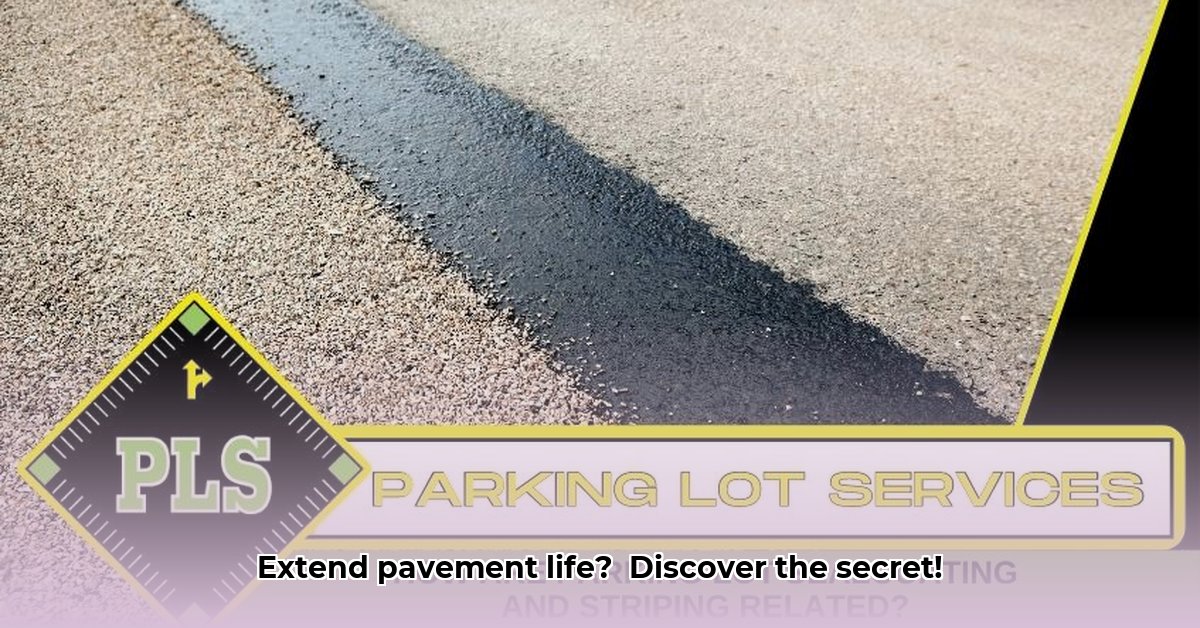
Sealcoating and striping work synergistically to protect and enhance your pavement. Sealcoating acts as a protective shield, preventing water damage, UV degradation, and oxidation, while striping ensures clear visibility and safety. Think of sealcoating as a protective layer of armor—it prevents water from penetrating the asphalt, reducing cracking and extending the pavement's lifespan. Striping, on the other hand, provides clear and visible markings, improving safety and aesthetics for drivers and pedestrians alike. Together, they create a durable, visually appealing surface that increases the longevity and curb appeal of your property.
Choosing the Right Contractor: Your Pavement's Superhero
Selecting a qualified contractor is paramount—a poorly executed job can cost you more in the long run. Don't simply choose the lowest bid. Consider these key factors:
- Experience: How many years have they been in the business? Extensive experience often translates to better quality and fewer unexpected issues.
- Licensing and Insurance: Ensure they hold the necessary licenses and sufficient insurance coverage to protect you in case of accidents or damages.
- Materials: Inquire about the specific sealcoating materials they use. High-quality, environmentally friendly options (like asphalt emulsion) are preferred. What is the specific sealcoating type they will use and why is it best for your climate and surface?
- Warranty: A reputable contractor will offer a warranty on their work, showcasing confidence in their expertise and materials.
- References: Request references and contact previous clients to gauge their experiences with the contractor's work ethic and quality of service.
- Sustainable Practices: Do they prioritize eco-friendly methods and materials? This demonstrates responsibility towards the environment.
"Choosing the right contractor is crucial," says Dr. Emily Carter, Civil Engineering Professor at MIT. "Their expertise directly impacts the longevity and quality of the pavement treatment."
Preparing the Surface: Laying the Foundation for Success
Adequate surface preparation is crucial for optimal sealcoating adhesion and long-lasting results. This process involves:
- Thorough Cleaning: Remove all dirt, debris, oil stains, and loose aggregate using pressure washing or other suitable methods.
- Crack Repair: Address cracks and potholes to prevent water infiltration and sealcoat damage. Use appropriate crack fillers for small cracks, while larger repairs may need more extensive attention.
- Surface Evaluation: Inspect the pavement for any other imperfections such as significant damage that needs fixing.
The Striping and Sealcoating Process: A Step-by-Step Guide
The application process itself usually involves these steps:
- Striping Application: The contractor will apply the designated lines and markings using specialized equipment and precise techniques. Accuracy is crucial for clear, long-lasting markings.
- Sealcoating Application: The sealcoat is applied evenly using sprayers or other appropriate methods, ensuring complete coverage and optimal protection. The type of sealant used is important and will be chosen by the contractor based on the surface and weather conditions.
- Curing Time: Allow sufficient time for the sealcoat to cure completely, according to the manufacturer's instructions, before allowing vehicle traffic.
Post-Application Care: Nurturing Your Investment
After the application, follow these steps to maximize the lifespan of your newly treated pavement:
- Restricted Traffic: Avoid driving or parking on the treated area for the recommended curing time (typically 24-48 hours, depending on the sealcoat used).
- Regular Cleaning: Regularly sweep or pressure wash the pavement to remove debris and maintain its appearance. Avoid harsh chemicals to prevent damage to the sealcoat.
Long-Term Planning: Preventative Maintenance for Lasting Results
Regular maintenance is key to extending the life of your pavement and preventing costly repairs. Schedule routine inspections and address minor issues promptly. Just like regular dental checkups, proactive maintenance is much more cost-effective than dealing with larger problems down the line.
Key Takeaways:
- Investing in quality striping and sealcoating significantly extends pavement life, saving money in the long run.
- Choosing the right contractor is critical to ensure a successful and long-lasting result.
- Regular maintenance and prompt attention to minor issues prevent costly repairs.